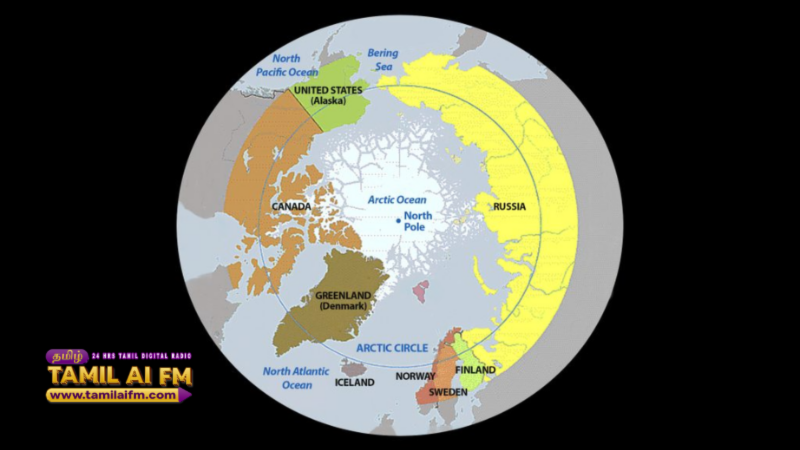
In a landmark diplomatic achievement, major global powers have signed the "Arctic Preservation Treaty." This designates vast stretches of the Arctic Ocean as protected marine zones, banning commercial fishing and deep-sea mining. The treaty is seen as a vital step in protecting unique biodiversity and stabilizing the Earth’s climate by preventing industrial disruption.
The negotiations were described as grueling, with significant friction regarding national territorial claims. However, the final compromise includes a framework for joint scientific research, allowing nations to collaborate on studying melting permafrost. This "science-first" approach was the key to unlocking the stalemate.
Environmental organizations have hailed the treaty as the "Yellowstone of the Seas." By creating a safe haven for species like the narwhal and polar bear, the treaty ensures they can migrate without interference from shipping lanes. The challenge now lies in enforcement, as satellite monitoring will be required to ensure the spirit of the treaty is upheld by all signatories.