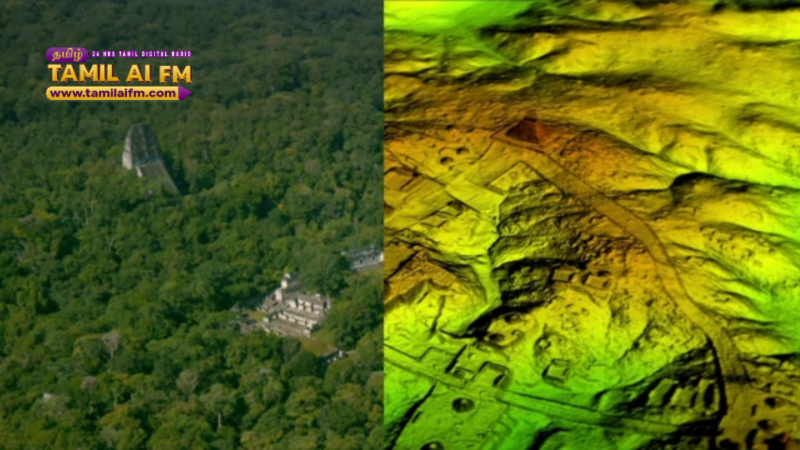
Archaeologists using LiDAR technology have discovered a sprawling, previously unknown Mayan city hidden deep within the Guatemalan jungle. The site, which covers several square miles, includes pyramids, residential complexes, and a sophisticated water management system. Preliminary analysis suggests that the city may have housed up to 50,000 people.
The LiDAR scans allowed researchers to "see through" the dense forest canopy, revealing man-made structures that had been invisible for centuries. The discovery of a massive central plaza suggests that this city was a major political and religious hub in the region. There are also signs of extensive agricultural terracing, indicating a high level of food security.
Expeditions are now being planned to the site to begin ground-level excavations. This discovery challenges existing theories about the population density of the ancient Maya and their ability to thrive in challenging environments. Researchers hope to find inscriptions or artifacts that will shed light on the city's rise and eventual abandonment.