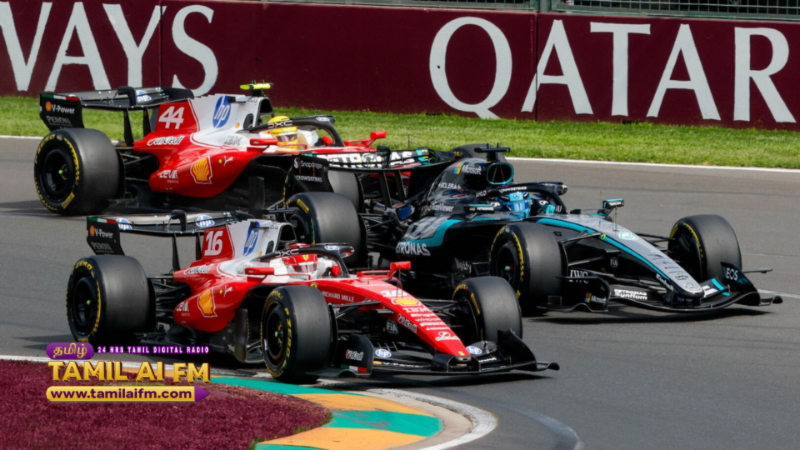
The FIA has introduced a series of technical amendments specifically for the Miami Grand Prix to address growing concerns over engine reliability and driver safety. Following several high-profile power unit failures in recent races, officials have granted teams a one-time allowance to upgrade internal cooling components without incurring grid penalties. This change aims to prevent the "energy saving" modes that drivers were forced into during the heat of previous races, allowing for more sustained, high-speed battles on Miami’s demanding street circuit.
In addition to engine updates, new aerodynamic restrictions have been implemented to improve car stability during high-speed cornering. These adjustments are designed to minimize "dirty air" and the risk of sudden downforce loss, which has been a primary safety concern for drivers at the Miami International Autodrome. By stabilizing the cars' wakes, the FIA hopes to see closer wheel-to-wheel racing and more frequent overtaking opportunities, particularly in the high-speed sectors leading into the long straights.
These confirmed changes reflect the FIA's broader strategy of producing "flat out driving" where drivers can push their vehicles to the limit without constant fear of mechanical failure. The safety improvements also include reinforced debris fencing and adjusted kerb profiles at critical turns to reduce the likelihood of cars being launched into the air upon contact. As teams prepare for Friday’s practice sessions, the focus will be on how quickly they can adapt their setups to these mid-season regulations before the main event on Sunday.