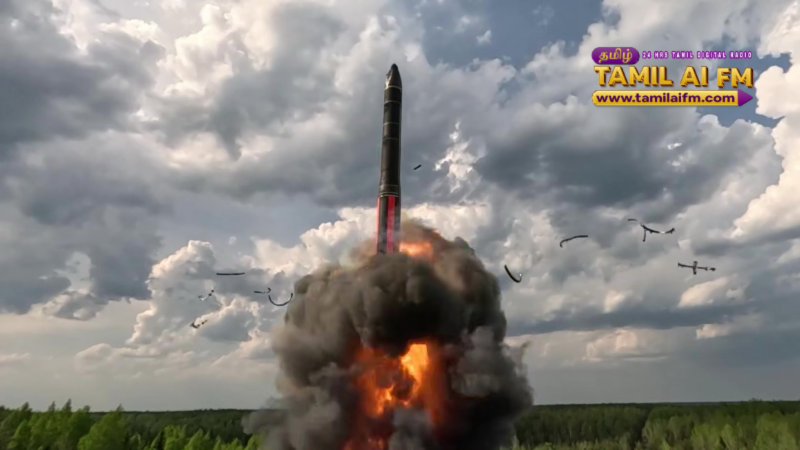
The defense ministries of Russia and Belarus have officially commenced large scale joint military exercises involving non strategic tactical nuclear weapons. The extensive war games are being conducted along shared regional corridors in direct response to what Moscow labels as escalating security threats from NATO. The drills involve high speed mobile missile launchers, air force squadrons, and naval components practicing simulated warhead delivery sequences.
Concurrently, NATO commanders announced that a planned reduction of United States troop deployments across European bases will not weaken the bloc's overall defensive capabilities. Western military officials reiterated that the institutional defense framework remains robust enough to absorb deployment shifts without compromising border security. However, the parallel nuclear maneuvers have drawn sharp condemnation from European Union diplomats, who warn that active nuclear signaling increases the risk of miscalculation.
The high stakes military display coincides with a distinct wave of political nostalgia sweeping through Germany. Former Chancellor Angela Merkel has re-entered public life, drawing significant domestic media commentary as the current administration of Chancellor Friedrich Merz battles widening economic and regional security challenges. Analysts note that the combination of military friction on the eastern borders and internal political debates is placing unique pressure on central European legislative houses.