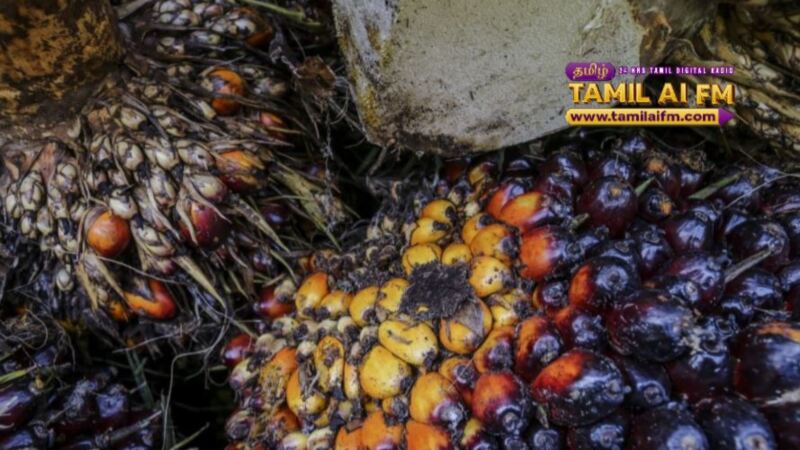
KUALA LUMPUR — Malaysia is set to enter a new phase in its energy transition amid a global supply crisis, with the biodiesel blend rate in Peninsular Malaysia to be gradually raised from B10 to B15 starting tomorrow, June 1.
The move by the Madani Government in the face of global energy market volatility is aimed not only at reducing reliance on imported fossil diesel, but is also seen as a two-pronged strategy to enhance energy security and increase demand for locally produced palm oil.
The implementation will see B15 biodiesel comprising 15 per cent palm oil-based biodiesel, known as Palm Methyl Ester (PME), and 85 per cent petroleum diesel, compared with the existing B10 blend of 10 per cent PME, without requiring engine modifications for most diesel vehicles.
Deputy Prime Minister Datuk Seri Ahmad Zahid Hamidi previously said the government was targeting biodiesel production in stages as an initial step before the blend rate is increased according to market suitability and industry capabilities.
He said that by-products from the palm oil industry, including sludge from crude palm oil production, have the potential to be used in biodiesel and aviation fuel production, creating a new value chain in the country’s commodity sector.
Ahmad Zahid also views biodiesel as a new catalyst for the rural economy, through the involvement of agencies such as the Federal Land Consolidation and Rehabilitation Authority (Felcra), the Central Terengganu Development Authority (Ketengah) and the South Kelantan Development Authority (Kesedar).
The government has assured that the implementation will be carried out in a planned manner, taking into account the country’s palm oil supply capacity, industrial preparedness and existing infrastructure.