PARIS — Factional divisions and opposition to talks with the United States exist within the Iranian hierarchy, but such splits will not suffice on their own to derail the negotiating process, analysts say.
After five weeks of war paused by an April ceasefire and ended by an accord this month, US Vice President JD Vance and Iran’s top negotiator Mohammad Bagher Ghalibaf held talks in Switzerland mediated by Qatar and Pakistan to begin a process in search of a final agreement.
Yet the path remains tortuous, with Iran aware of the leverage it can exert over the global economy through control of the Strait of Hormuz and President Donald Trump threatening new military action if talks fail.
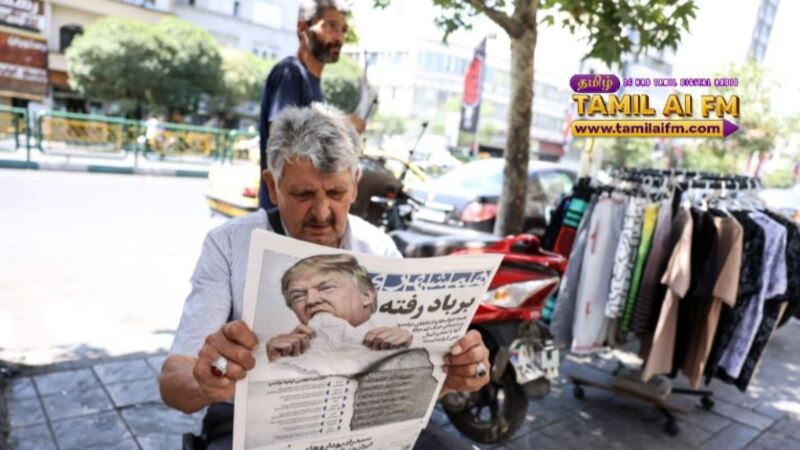
And while Trump faces criticism of the deal from some conservatives at home, there have also been rumblings of discontent in Tehran over the talks with the US, a foe since the 1979 Islamic revolution known as the “Great Satan”.
“There are certainly factions seriously opposed to the talks and to any compromises with the US,” said Yale University lecturer Arash Azizi.
“But it is my assessment that they currently lack the institutional power necessary to block the talks or even do much to shape their outcome,”