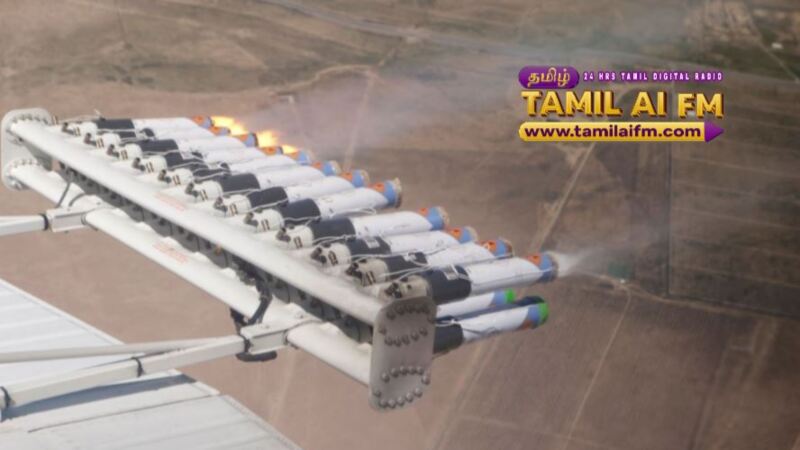
TURKESTAN — There were only arid steppes in sight when a small plane took off from an airport in southern Kazakhstan, embarking on a delicate mission: bringing rain for the scorched earth below.
To tackle the severe droughts and water shortages that plague the country, Kazakhstan has resorted to cloud seeding, a weather modification method previously unseen in Central Asia.
“The aircraft is specifically equipped with a cloud-seeding flare system,” Ahmed Aljaberi, a pilot with the United Arab Emirates’ meteorological centre, which conducts cloud seeding at home and is collaborating with Kazakhstan on the project, explained to AFP.
Cartridges fixed on the aircraft’s wings contain a substance that, when dispersed, sticks to cloud droplets, making them heavy enough to fall as rain.
Kazakh authorities are betting on cloud seeding to reduce the impact of drought and water shortages in its southern Turkestan region, the country’s leading cotton-growing region.
Areas in the region with some 9,110 square kilometres of arable land are being targeted, with estimated economic benefits of around $75 million a year through better harvests.