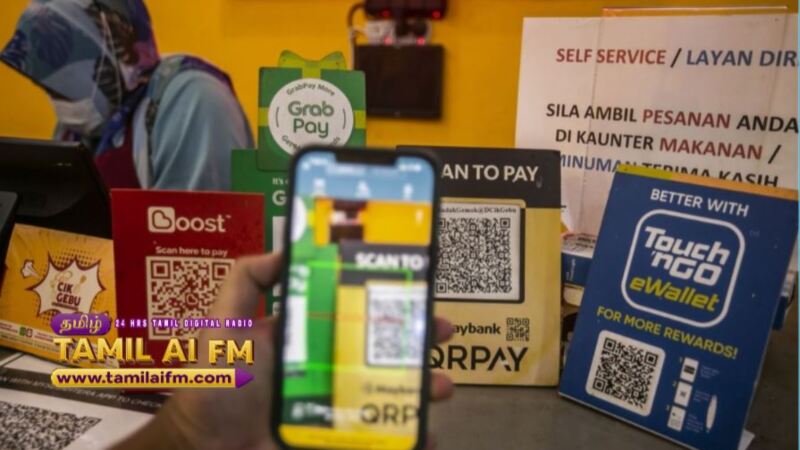
AUGUST 26 — Malaysia’s shift to digital payments has been swift and striking. Bank Negara Malaysia recorded 18.4 billion e-payment transactions in 2025 — a 25 per cent increase in just one year. On average, each Malaysian made 538 e-payments.
That progress is worth celebrating. But it also raises a harder question: are our financial judgement and consumer safeguards keeping pace with the speed of digital adoption?
The contrast is difficult to ignore. Bank Negara Malaysia reported that scams had an impact of RM2.8 billion in 2025, while about 95 per cent of reported fraud cases were linked to authorised scams — situations in which consumers themselves transferred money or disclosed credentials after being manipulated.
This is more than a cybersecurity problem. It points to a deeper weakness in how we still think about financial literacy.
For years, financial education has rightly focused on knowledge: budgeting, saving, interest, debt and investment risk. These foundations remain essential.
But the financial environment has changed. Consumers are no longer making decisions only after comparing brochures, speaking to a banker or physically handing over cash. Financial choices now arrive through notifications, QR codes, shopping apps, instalment buttons, social-media feeds and increasingly, artificial intelligence.
The transaction has become easier. The judgement behind it has not. That distinction matters because being digitally active is not the same as being digitally financially capable.
Someone can use mobile banking every day and still respond to a convincing fraudulent request. A person may understand investment risk yet act on an unverified recommendation from a finfluencer. A household may know how to budget and still underestimate the strain created by several small ‘buy now, pay later’ commitments that look harmless in isolation.
The weakness often appears not in what consumers know, but in what happens between knowledge and action.