HONG KONG — China and Nepal have taken different approaches to information after a Himalayan flood, shaping what the public saw of a disaster that killed more than 1,400 people.
The August 26 tsunami-like surge of water, mud and debris from a glacial mountain collapse on the China-Nepal border left more than 5,650 missing, including hundreds of foreigners.
Both China and Nepal have gone after fabricated posts on the flood.
But Beijing has gone further to suppress eyewitness video footage and punish people challenging official figures, in an information crackdown that rights groups say follows a familiar pattern.
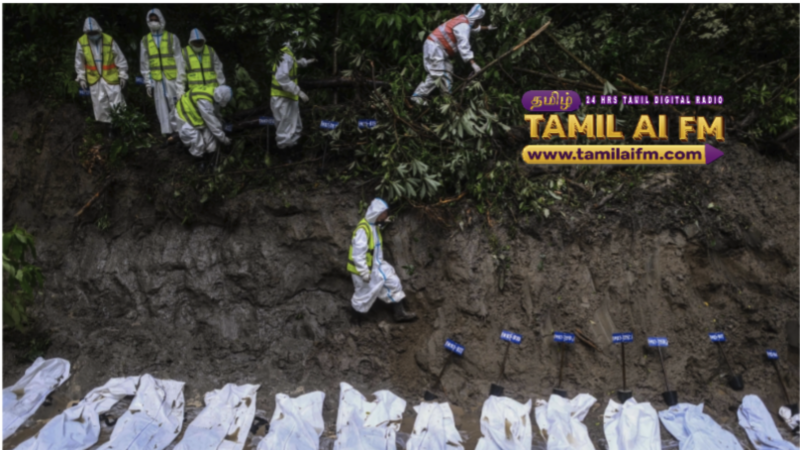
Information transmitted by Chinese state media on the flood gave little voice to the missing people’s relatives and focused on emergency workers’ recovery efforts in Tibet, where foreign journalists do not enjoy unfettered access.
Nepal has pressured social media platforms and news outlets to remove fabricated visuals — including some debunked by AFP fact-checkers — but Kathmandu offers regular updates of death tolls via social media. Direct commentary from families of victims is readily available on and offline.
Umesh Shrestha, chair of the independent regulatory body Press Council Nepal, said it had asked more than 100 social media accounts to remove content. Most obeyed.
“Things can spread very quickly,” Shrestha said.
Nepali police arrested one man who allegedly shared a fabricated donation to a relief fund to promote his personal account.
The disaster came just ahead of the one-year anniversary of anti-corruption protests that toppled the previous government, triggered by a social media ban.
China penalised 10 people accused of spreading falsehoods online, according to the Ministry of Public Security.
They include some who allegedly suggested the actual death toll was higher than official figures.