KUALA LUMPUR — On a daily basis, motorists driving through the motorway section of Kuala Lumpur’s SMART Tunnel may pass through without giving much thought to the two gates that remain shut beyond the familiar stretch of road.
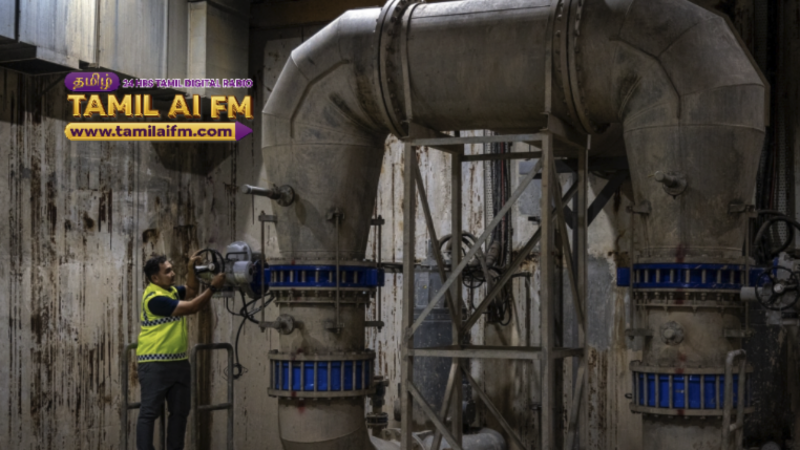
Yet behind those gates lies another side of the tunnel — never seen by motorists.
During a visit to the facility, a current of air from the flood tunnel felt surprisingly cool against the skin, almost like a breeze offering relief from the heat outside.
This was coming from the 9.7km-long infrastructure beneath the city that is part of a flood-mitigation system designed to divert excess water from the confluence of Sungai Klang and Sungai Ampang at Kampung Berembang towards a holding pond in Taman Desa.
Only about 3km of the tunnel doubles as a motorway.
When heavy rain threatens to overwhelm the river system, that section can be closed to traffic so the tunnel can fulfil its other purpose: carrying floodwater away from vulnerable parts of Kuala Lumpur.
Constructing the tunnel required specialised underground engineering —a 13.2-metre-diameter Slurry Mix-Shield tunnel-boring machine (TBM) to excavate the passage beneath the city.
The machine was among the largest of its kind in the region at the time, helping create the stormwater tunnel that now serves two very different purposes, depending on the weather.