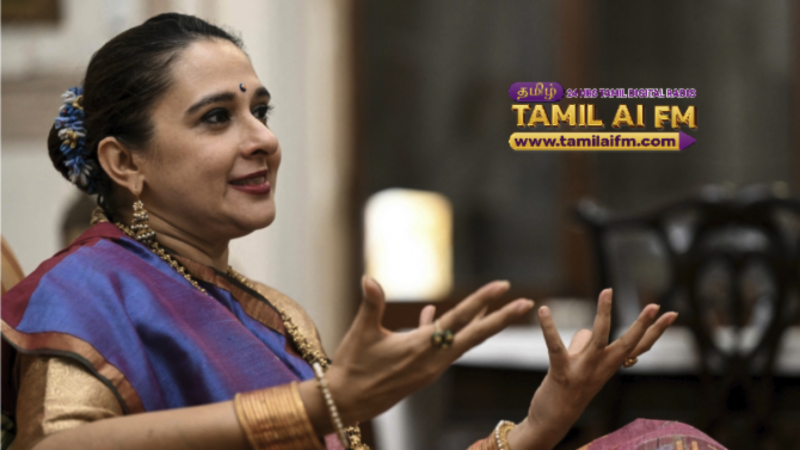
VADODARA — In a sprawling palace in western India, the “queen” or Maharani of Baroda welcomes guests with fragrant rose petals, presenting torchlit dances of Hindu myths.
Dressed in glittering finery, Radhikaraje Gaekwad is a queen in name only, a modern businesswoman presiding over a world her ancestors once ruled.
“The key has been that we have adapted,” 48-year-old Gaekwad told AFP in her vast Lakshmi Vilas Palace, describing how India’s former royals have found new roles, from cultural ambassadors to politics.
“My work has always been to try and bring in change for what I feel would be for the betterment of society,” said Gaekwad, who works to preserve art accumulated by generations of rulers.
“A glimpse of what was left behind... can bring that sense of identity and pride back in their roots, and help them in the future.”
Under British rule, more than 565 princely states enjoyed nominal autonomy across roughly 40 per cent of the land. Baroda, today Vadodara in Gujarat state, was among the most powerful.
The maharajas joined democratic India after independence in 1947 and became ordinary citizens, but their enduring cultural influence is something politicians of all parties seek to harness.
“This cultural capital has been banked on by the descendants of the erstwhile maharajas to get into active politics,” said historian Manu S. Pillai.