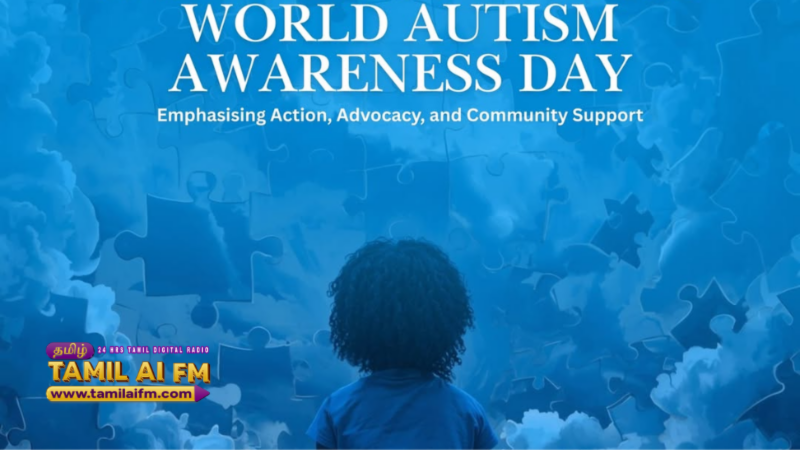
Today marks World Autism Awareness Day 2026, with the World Health Organization (WHO) and global communities advocating for policies that promote neuroinclusive environments. With current data showing that approximately 1 in 127 people globally is diagnosed with autism, the focus this year is on dismantling barriers in health, education, and the workplace. International events are highlighting the need for sustained investment to uphold the rights of autistic individuals.
In the sports world, clubs like Paris Saint Germain (PSG) have committed to special initiatives to support autistic fans and children, emphasizing that sports can be a powerful tool for social inclusion. Meanwhile, in regions currently facing conflict, such as the Gaza Strip, humanitarian groups are drawing attention to the specific challenges faced by children with autism who are dealing with both displacement and the destruction of support services.
Despite existing human rights conventions, advocates point out that autistic people still face significant stigma and limited access to quality healthcare. Today’s global events are calling for a shift from mere "awareness" to active "acceptance and inclusion." Governments are being urged to implement neuroinclusive policies that ensure equitable opportunities for all citizens throughout their lives.