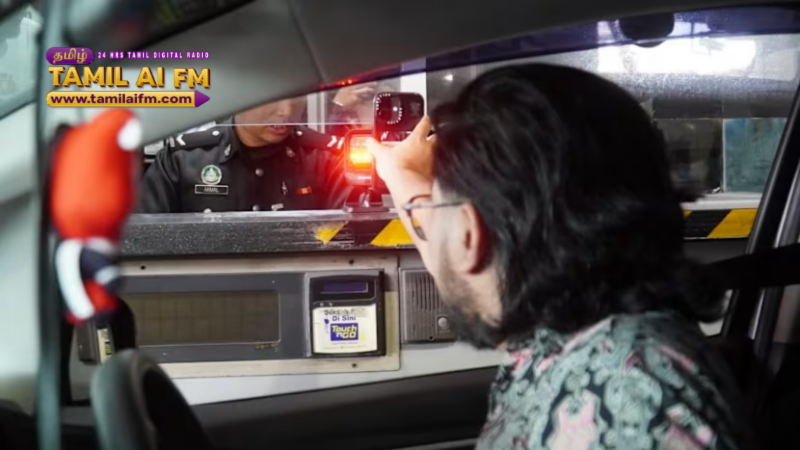
The Ministry of Home Affairs has officially announced that all travellers using the Sultan Iskandar Building and the Sultan Abu Bakar Complex (Second Link) must now register for a digital QR code. This new system is designed to significantly reduce congestion at the Malaysia-Singapore border, which is currently the busiest land crossing in the world. Authorities estimate that the implementation of QR codes will cut immigration clearance times by up to 50% during peak hours.
Initial trials for the MyTrip and MyRentas systems showed positive results, leading to today’s decision to make the process mandatory for all commuters. Travellers are required to download the dedicated mobile application and generate their unique code before arriving at the checkpoint to ensure a smooth transition. The government is also deploying additional “QR specialist" officers at the borders to assist elder citizens and those who may face technical difficulties with the app.
Business groups and daily commuters have largely welcomed the move, noting that the traditional passport-stamping process had become a major bottleneck for trade and labor mobility. However, some data privacy advocates have raised questions regarding the security of the personal information stored within the app. The Ministry has responded by assuring the public that all data is encrypted and managed under strict cybersecurity protocols to prevent any potential breaches.