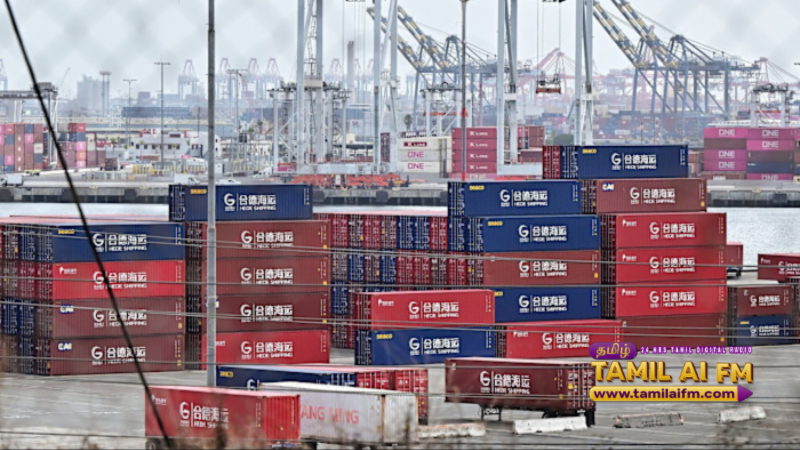
The U.S. Court of International Trade has delivered a landmark ruling today, declaring President Trump’s 10% global import tariffs illegal. The court found that the administration exceeded the executive authority granted under the Trade Act of 1974, marking a significant legal setback for the current U.S. economic agenda. This decision creates immediate waves of uncertainty across global markets as businesses and trade partners wait to see if the administration will successfully appeal the verdict.
This ruling coincides with a new report from the United Nations Conference on Trade and Development (UNCTAD), which warns that non-tariff barriers are becoming a major driver of rising trade costs worldwide. These barriers are reportedly hitting developing nations the hardest, further complicating the international trade landscape. The court's decision adds a new layer of complexity to these existing tensions, potentially forcing a shift in how the U.S. manages its trade relationships with major global partners.
The broader international trade environment remains volatile, as evidenced by China’s simultaneous rejection of European Union restrictions on solar inverters. While the U.S. administration is expected to challenge today’s court ruling in a higher court, the immediate pause on these tariffs could provide temporary relief for importers. However, analysts warn that the legal battle is far from over, and the ongoing push and pull between national policies and international trade laws will continue to dictate global market stability.