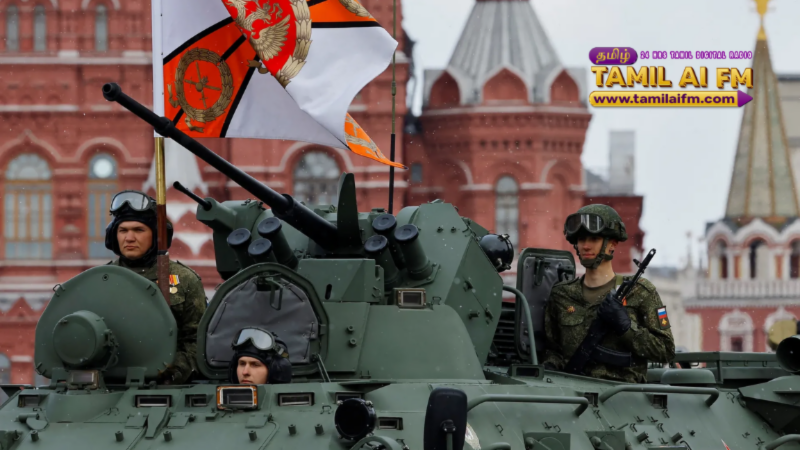
Russia has declared a unilateral two-day ceasefire with Ukraine starting at midnight on May 8, 2026, to commemorate the 81st anniversary of Victory Day. The Kremlin stated the pause in hostilities is intended to honor the Soviet victory in World War II and has warned Kyiv against any military actions that might disrupt the celebrations. However, the proposal has been met with skepticism, with Russian officials threatening massive missile strikes on Kyiv if the "sacred" holiday is disturbed.
Ukraine has largely rejected the Russian proposal, calling it "not serious" and accusing Moscow of using the ceasefire as a tactical ploy to disrupt Ukrainian drone operations. In a counter move, Ukraine declared its own independent ceasefire for May 5-6, signaling a complete lack of coordination between the two warring nations. Foreign embassies in Kyiv have shown no immediate signs of evacuation despite the Russian warnings, maintaining a defiant stance against the threats of renewed bombardment.
The standoff highlights the deep-seated distrust that continues to fuel the conflict, even during significant historical anniversaries. While the Russian Defense Ministry expressed hope that Ukraine would stop fighting during the two-day window, the reality on the ground remains tense with both sides remaining on high alert. As the world watches these conflicting signals, the potential for a localized escalation during the holiday period remains a significant concern for international observers.