PARIS — Nations reeling from a year of climate devastation gather for COP31 next month but negotiations are not expected to deliver major progress in cutting the fossil fuels driving the crisis.
The conference follows deadly heatwaves and fires in Europe, catastrophic floods in Nepal and record temperatures around the world, testing whether the United Nations-backed talks can keep pace with reality.
As leaders meet in Turkey, an exceptionally powerful El Nino pattern will be approaching peak strength, threatening to amplify weather chaos worldwide and drive global heat to unprecedented highs.
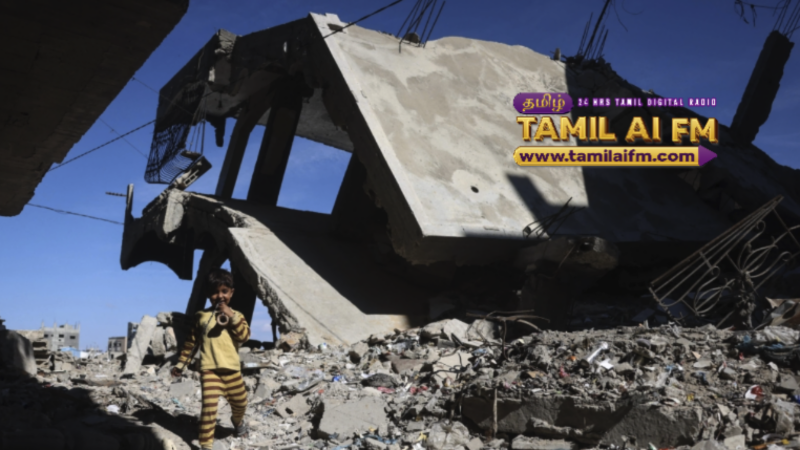
Concerns over energy security will also loom large, with no end in sight to the Middle East war that has sent oil and gas prices soaring and hit fossil fuel-importing nations hard.
With a new agreement on fossil fuels unlikely, Turkey is rallying support for a voluntary “electrification” pledge it says could cut heat-trapping emissions and reduce reliance on energy imports.
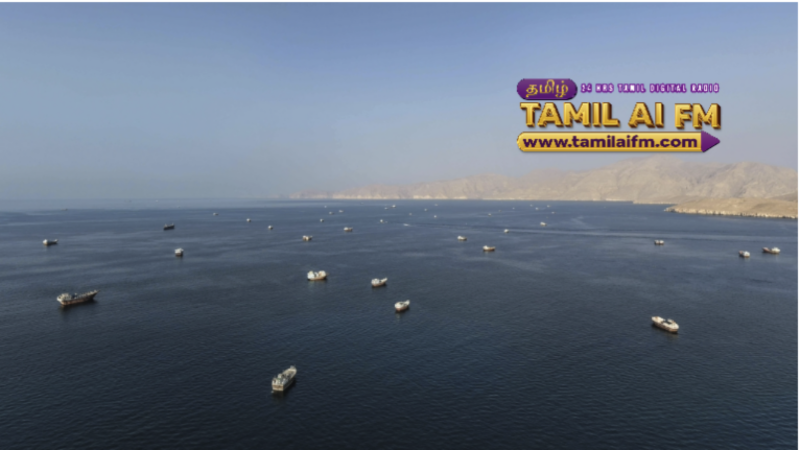
“In many ways, the defining contexts for this year’s climate summit will be heat and Hormuz,” said David Waskow from the World Resources Institute, referencing the vital strait that carried one-fifth of the world’s hydrocarbons before the Iran war.
Unusually, Turkey must navigate these complexities with Australia, a major fossil fuel exporter, after both countries agreed to share COP31 duties following a bruising hosting battle.
Australia’s Climate Minister Chris Bowen, who is leading the negotiations in Antalya starting November 9, said this year’s extreme events “show climate change is not a future challenge”.
“It is a present reality... and the costs of inaction are rising,” he said.
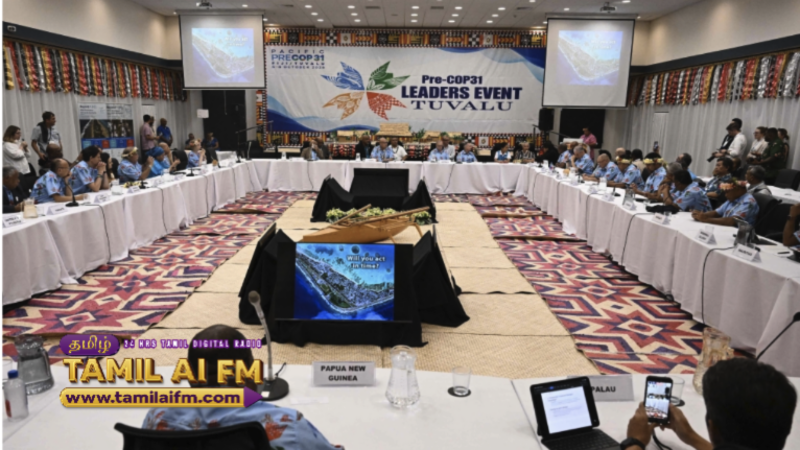
A “pre-COP” meeting began yesterday in the climate-vulnerable Pacific with a leaders’ retreat in Tuvalu and government meetings in Fiji.