KUALA LUMPUR — Passengers flying out of Kuala Lumpur International Airport (KLIA) to destinations deemed high risk are now subject to targeted head-to-toe physical checks and 100 per cent baggage screening, Home Minister Datuk Seri Saifuddin Nasution Ismail said today.
He said the measures were part of the government’s risk-based screening approach under 17 recommendations to strengthen security controls at KLIA and the country’s international entry points.
“Firstly, we immediately implemented targeted, risk-based screening. “This means flight destinations that are high risk based on data and cases, whether reported or unreported.
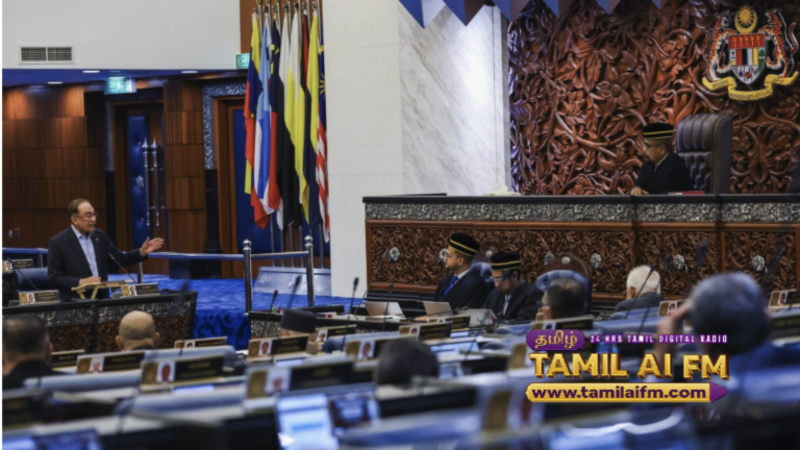
“Destinations where smuggling incidents frequently occur, such as Indonesia and several other destinations that we classify as high risk,” he said during Question Time in the Dewan Rakyat.
“Now, for outbound flights from KLIA, we carry out physical head-to-toe pat-downs of people as well as 100 per cent baggage checks,” he added.
Saifuddin Nasution was responding to Kota Bharu MP Datuk Seri Takiyuddin Hassan, who asked for the latest status of the 17 recommendations to strengthen security screening, control and risk management at KLIA and the country’s international entry points.
Saifuddin Nasution said the measures followed the arrest of a Malaysia Airlines co-pilot in Jakarta for allegedly carrying drugs, which prompted the Cabinet to order immediate action to strengthen security at the country’s airports and international entry points.
He said the government viewed the incident as more than an ordinary security breach as it involved threats to national security, sovereignty, reputation and the country’s good name.
He said the 17 recommendations, jointly entrusted to the Home Ministry and Transport Ministry, had been divided into three phases.
He said the measures currently being implemented covered the short-term phase, from August and over the following six months, while further measures would be introduced under Phases Two and Three.
Among the other immediate measures, he said the government was proposing to shorten the validity of access cards issued under the Chief Government Security Office’s e-vetting system from five years to two years.