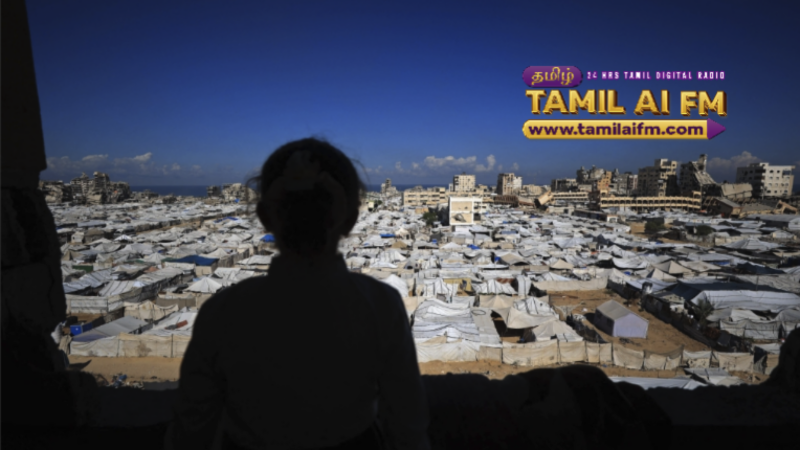
ISTANBUL — Three years into Israel’s genocide in the Gaza Strip, Palestinian and UN data show sweeping consequences for women and girls, from deaths, injuries and disappearances to rising miscarriage rates, unsafe births and malnutrition, Anadolu Ajansi reported.
The collapse of Gaza’s health system has also deprived pregnant women of medical care, forcing some to give birth at home or in displacement shelters, while changes in family structures have left tens of thousands of women responsible for supporting their households.
Data released by the Palestinian Central Bureau of Statistics on July 18, 2026, showed that 12,400 women, excluding girls, had been killed in Gaza since October 7, 2023.
The bureau also said women and children accounted for 4,700 of the 11,200 people reported missing, with the fate of many still unknown amid fears that some remain under the rubble of destroyed buildings.
UN Women, in an April 2026 report titled The Cost of War on Women and Girls, estimated that more than 38,000 women and girls were killed between October 2023 and December 2025 — an average of nearly 47 per day.
The report added, “there are close to 11,000 women and girls with lifelong injury.”
Survivors continue to face daily risks from bombardment, hunger, repeated displacement and restrictions on access to essential services, the report said.
According to the report, more than 71,200 Palestinians were killed during the period it covered, with women, children and older persons together representing more than half of all fatalities.
It cautioned that the figure was likely lower than the actual death toll “given the collapse of health information and reporting systems.”
The highest proportion of deaths among women and children was recorded during the first six months of the war, when they accounted for nearly two-thirds of documented fatalities.
The report said that despite a ceasefire agreement that took effect on October 10, 2025, women and girls continued to be killed and injured, while humanitarian and health conditions threatening their lives showed no significant improvement.