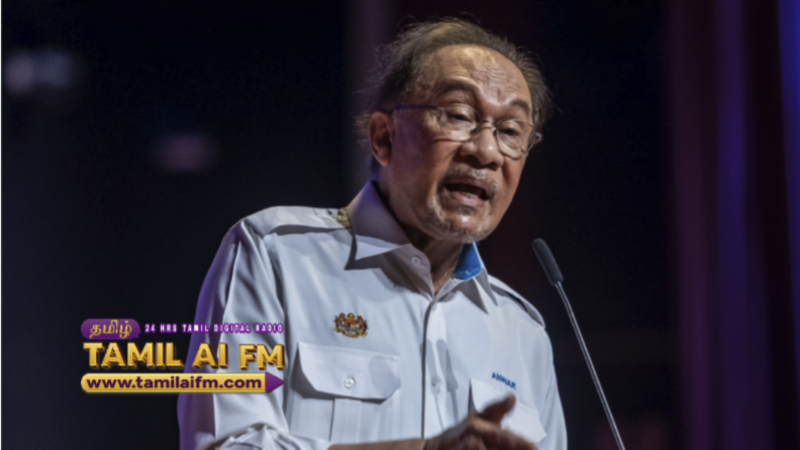
SHAH ALAM — Companies should not be penalised simply because they make losses, but action should be taken where there is fraud, abuse of power or “sakau”, Prime Minister Datuk Seri Anwar Ibrahim said today.
Speaking after addressing issues including the scrutiny of Lembaga Tabung Haji (TH), Anwar said companies could go through periods of losses as well as profits, and that losses alone should not be grounds for punishment.
“We don’t ‘hukum’ (punish) people because a company makes losses. We ‘hukum’ because there is fraud, there is abuse of power, there is ‘sakau’ (stealing), not because of losses,” he said during a question-and-answer session with Universiti Teknologi MARA (UiTM) alumni and students at UiTM’s Dewan Agung Tuanku Canselor here.
Turning to UiTM Holdings Sdn Bhd, Anwar cautioned against passing judgment before its position had been properly examined.
“Now study UiTM Holdings, don’t ‘hukum’ (pass judgment) now,” he said, adding that any weaknesses should first be identified and improved, but action should be taken if abuses were found.
Earlier, a member of the audience asked Anwar whether he could direct the Higher Education Ministry or UiTM alumni to produce a report on UiTM Holdings, which the questioner claimed had accumulated more than RM100 million in unresolved losses.
Anwar indicated that the Higher Education Ministry would be involved, adding that the Prime Minister’s Department would cooperate. He also thanked UiTM’s vice-chancellor for giving full cooperation over the UiTM Holdings issue.
During the dialogue, Anwar also addressed the Royal Commission of Inquiry (RCI) report on TH, saying it had been completed before he became prime minister in 2022 amid questions over why it was only released this year.
He said the report’s release had been delayed after TH’s leadership asked for more time, amid concerns that depositors could withdraw their savings if it was made public earlier.
Anwar rejected suggestions that the report had been released as an act of “revenge”, saying decisions over investigations, prosecutions and judgments rested with the relevant authorities.